

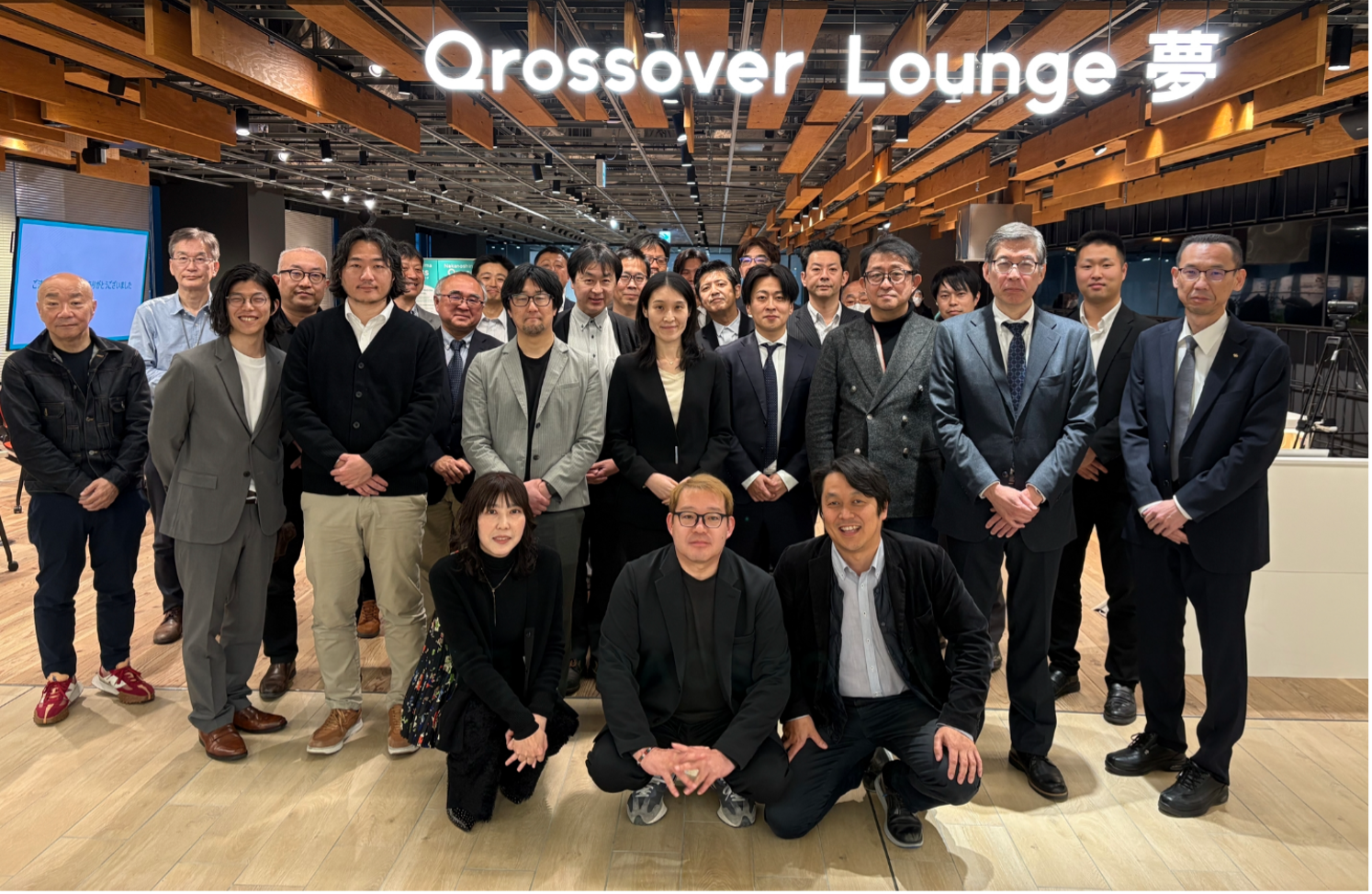
On Thursday, March 5, the NQ Global Startup Gateway (Nakanoshima Cross Global Startup Creation and Hub Promotion Project) NQ Version Bio-Catalyst AI Accelerator Program Report Meeting" was held at Qrossover Lounge Yume on the 2nd floor of Nakanoshima Qross. The event was held at Qrossover Lounge Dream on the 2nd floor of the NQ Global Startup Gateway.
This event was held to report the results of the NQ version of the Bio-Catalyst AI Accelerator Program, which was implemented as part of the NQ Global Startup Gateway sponsored by the Osaka Prefectural Government.
In this program
- Mr. Shinya Yamamoto, General Manager, Deep Intelligent Pharma Corporation (Lecturer)
- Mr. Yu Moriguchi, Assistant to the President, Future Medical Care Promotion Organization (Lecturer)
- Ms. Mari Kobayashi, MIRACLE SCIENCE INNOVATION Corporation (Supporter)
The above three individuals were invited as lecturers and program supporters to provide the following support for startups through mentoring, both face-to-face and using communication tools, while leveraging their AI, deep tech, and global expertise.
- Assistance in obtaining AMED and other public grants
- Assistance in creating Target Product Profile (TPP)
- Support for preparation of clinical trial protocols for PMDA
- Business model development support
- Support for IP strategy development and prioritization, etc.
On the day of the program, the selected participants made presentations on the results obtained through the program and received comments from the lecturers. Through each presentation and comments, many suggestions for future startup establishment and commercialization were obtained, including business studies using AI and acceleration of research and development.
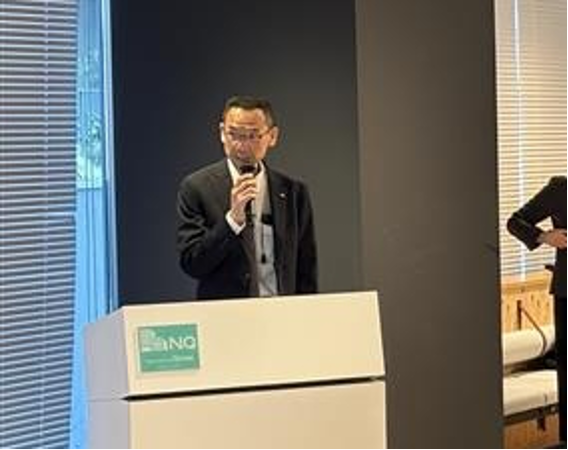
Mr. Akihiro Nishino, Director of Life Science Industry Division, Growth Industry Promotion Office, Commerce, Industry and Labor Department, Osaka Prefectural Government, opened the session with a speech in which he explained Osaka Prefecture's efforts to build a startup ecosystem based on Nakanoshima Cross and the importance of startup support that leverages AI, deep tech and global knowledge. The importance of supporting startups using AI, deep tech, and global knowledge was also demonstrated. He also expressed his hope that the conference would serve as a reference for researchers and startups in their future business development, as well as an opportunity for business companies and VCs to collaborate and invest.
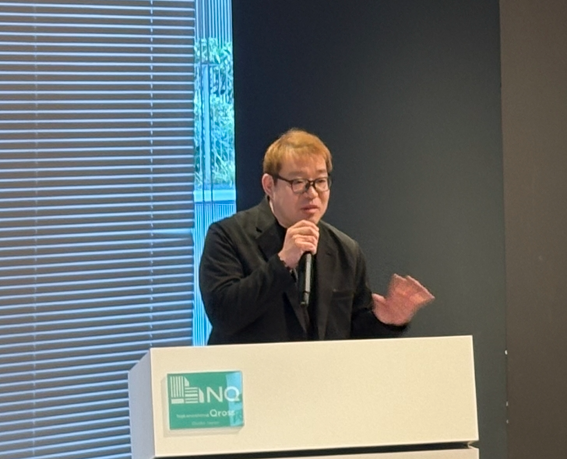
In the subsequent program explanation, the current situation in which AI utilization is becoming a standard for researchers and start-ups amidst the rapid evolution of AI was shared, and it was introduced that even a short-term mentoring program can accelerate business strategy study, IP consolidation, and research planning, along with specific results of this program. In addition, the program has also been used for research projects that are based on AI. He also emphasized the necessity of shifting to an AI-based R&D and business model and the importance of the ability to design processes by verbalizing tacit knowledge, and explained that this program is positioned as a place to put them into practice.
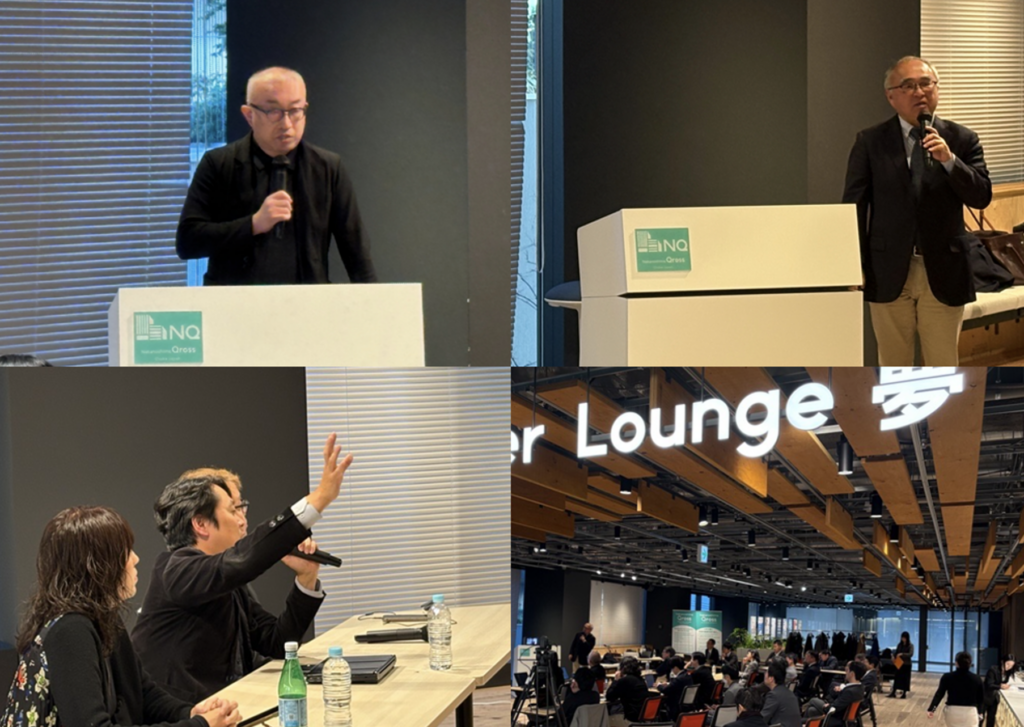
Following the presentations, the eleven selected participants of the program presented their achievements during the program period in the form of pitches. Each presentation was followed by comments from the lecturers, who offered suggestions for future business development and research and development.
The presentation showed the potential of using AI to develop research, clinical, and business operations in a multifaceted and simultaneous manner, and introduced examples of projects that started out as a single concept but developed into multiple areas, including clinical data infrastructure construction, research support, and emergency medicine improvement.
It was reported that the use of AI in research planning, clinical protocols, statistical analysis planning, and application document preparation can speed up the initial process toward practical application and funding acquisition with high quality, and that researchers with expertise and tacit knowledge can collaborate with AI to maximize research results and commercialize and implement research seeds in society. The report showed that researchers with expertise and tacit knowledge can collaborate with AI to maximize research results and to commercialize and implement research seeds in society.
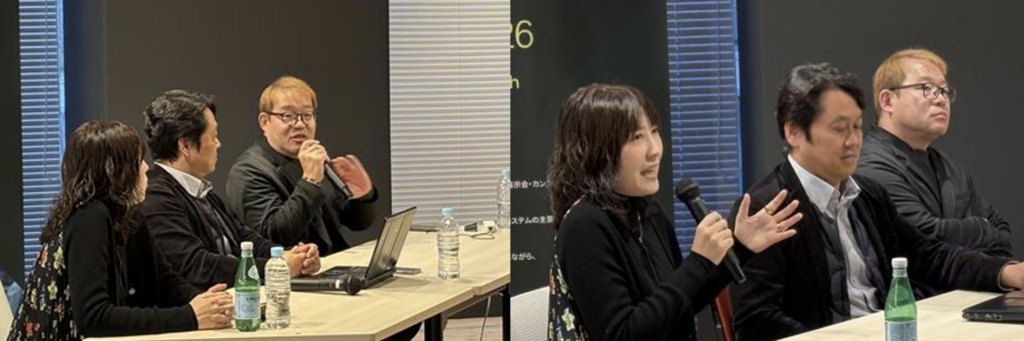
The general comments indicated the possibility of a practical model for the commercialization of research seeds and the formation of an ecosystem centered on the use of AI. The program confirmed that even with a small number of researchers and limited funding, the use of AI makes researcher-led commercialization a realistic option, and that it is possible to aim for social implementation while balancing research and entrepreneurship.
It was also demonstrated that in the age of AI, in addition to research capabilities, "producing capabilities" to convey the value of research to society and the market are important, and that with appropriate accompanying support, excellent research seeds can be developed into businesses that can be deployed on a global scale. Furthermore, it was confirmed that this program has demonstrated the creation of results in a short period of time and that the cross-disciplinary collaboration based on Nakanoshima Cross will serve as a foundation for accelerating the implementation of research seeds in society in the future.
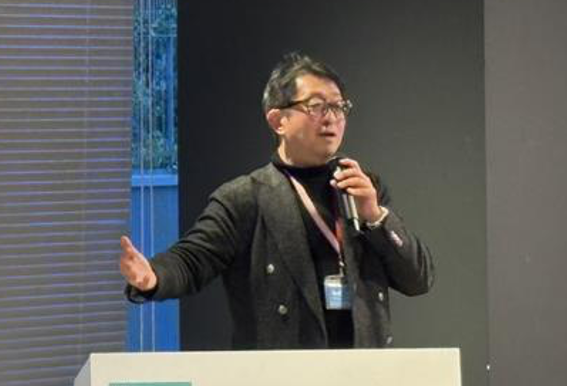
In the closing session, Mr. Miyagawa of MSI summarized that the program had demonstrated that early commercialization of research seeds using AI was not a "possibility" but a "viable option," and that the actions and results of the researchers who took on the challenge provided a solid response that will create new value from Osaka. The actions and results of the researchers who stepped up to the challenge provided a solid response that will create new value from Osaka.
Osaka Prefecture and Nakanoshima Cross will continue to support business creation and growth of researchers and start-ups by continuing this program and similar initiatives. We hope you will continue to pay attention to these activities.
List of Adopted Companies and Academia
Kazuhiro Ikumi, President, MEDICOLAB Co.
Programmed Medical Devices for Early Detection of Parkinson's Disease and Dementia
Ryotaro Tani, Representative Director, Eudaimonix, Inc.
Device development to address challenges faced by ostomy patients and those with fecal incontinence
Ken Okamoto, Co-Founder and CSO, PurinoScience Inc.
Oral Therapy for Sarcopenia
Functional recovery approach by reactivation of ATP salvage pathway
Kazuma Yamakawa, Associate Professor of Emergency Medicine, Osaka Medical and Pharmaceutical University
Multidimensional business development to improve on-site medical care/support research through the use of AI
Osaka University Graduate School of Medicine, Department of Endocrinology and Metabolism, Endowed Chair of Lifestyle Medicine, Endowed Chair, Associate Professor, Kei Madono
Building a foundation for social implementation of Food is Medicine with Teaching Kitchen at its core
Project Researcher, Department of Immuno-Cell Biology, Graduate School of Medicine, Osaka University Hiroaki Abe
Development of a Wide-Area Biopsy and Ultra-Rapid Intraoperative Diagnosis Method Using Multiphoton Excitation Microscopy
Osaka University of Health Sciences / Osaka University Research Director and Professor / Invited Professor Norimasa Nakamura
Exploratory clinical study of transplantation of three-dimensional artificial tissue (gMSC1) derived from synovial mesenchymal stem cells from other family for meniscus injury of knee joint
Lecturer, Department of Physiology, Kansai Medical University School of Medicine Mikio Hayashi
Development of a Novel Oral Anticancer Agent Targeting Cancer Stem Cells
Naoto Kinashi, iCeMS Research Fellow, Kyoto University
Development of the World's First Implantation-Promoting Drug Based on the Mechanism of Integrin Activation
Department of Coronary Diseases, Division of Cardiovascular Medicine, National Cerebral and Cardiovascular Center, Japan
Next-generation navigation AI to guide cardiac catheterization accurately and without burden using only contrast-enhanced images
Shinichi Nakagawa, Part-time Lecturer/Director, Department of Rehabilitation Medicine, Hyogo Medical University/Midorigaoka Hospital
Developing an ordering process for medical orthotics using AI technology
NQ Version of Bio-Catalyst AI Accelerator Program
A program designed to transform promising startups into investable companies by leveraging Deep Intelligent Pharma's cutting-edge AI technology and global industry expertise